All Categories
Featured
Table of Contents
Customer experience will not improve simply due to the fact that of a new user interface if confusion still exists in the back workplace. When change begins without a clear structure, focus is quickly lost: lots of parallel efforts emerge, none of which reach conclusion.
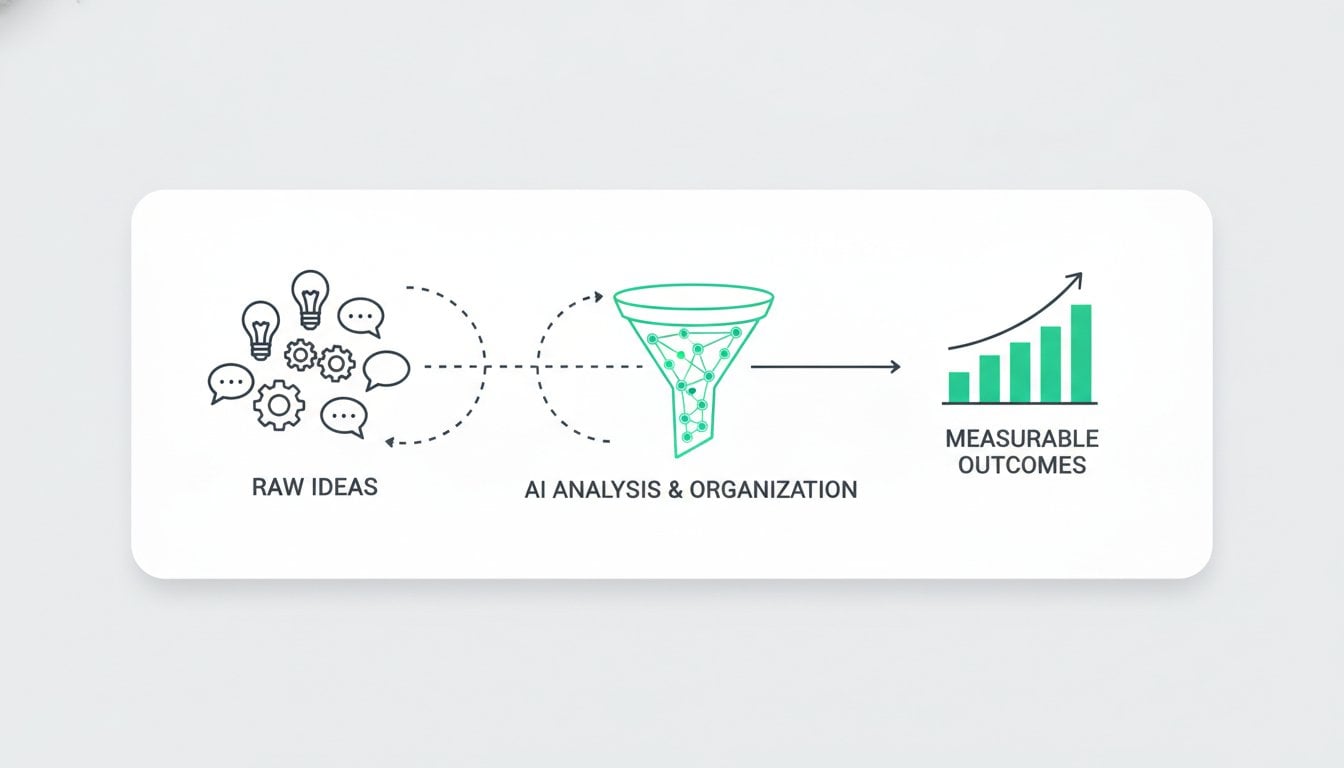
A digital improvement framework is a system of collaborates that makes it possible for managing change rather than merely reacting to problems. This framework must not be a universal design template that works equally well for a caf, an agricultural holding, and a worldwide bank.
You require a truthful review: where time is being wasted, where choices are stalling, which processes depend on a particular individual. After that, you need to set particular, quantifiable objectives. decrease the time to market for a new product from 4 months to 6 weeks; integrate 80% of consumer questions into a single CRM; decrease the proportion of manual order processing from 40% to 5%.
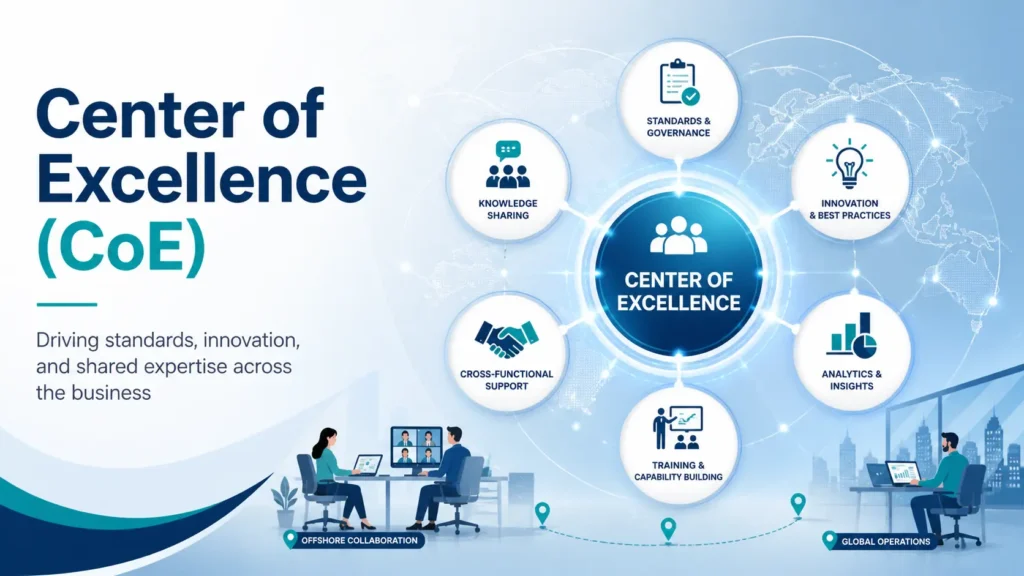
Which initiatives are crucial, which can be delayed. Where the biggest effect lies, and where the greatest threats are. It is very important not to plan everything at as soon as. It is better to select 2 or 3 focus locations and complete them fully than to spread out efforts throughout 10 directions and surface none.
When people comprehend what comes next, it is much easier for them to support modification. One of the most typical mistakes is starting improvement with the selection of a platform. A strong framework operates in reverse: first come the goals and processes, and just then the tools. Technology ought to be an extension of organization reasoning, not a different world that only IT professionals populate.
Strategic Insights for Managing Distributed Innovation
As a result, in practice these frameworks either do not work at all or lead in a completely different instructions than planned. A solid transformation structure must be versatile sufficient to adapt to reality, yet stiff enough to avoid initiatives from spreading out uncontrollably. A great structure assists preserve focus, track progress, and right course when something goes wrong.
They break down at the execution phase. A company may have an exceptional method, leadership assistance, and a properly designed presentation. Once execution begins, due dates slip, decision-makers avoid responsibility, and teams burn out. What emerges is not transformation, however an endless reorganization that everyone quietly frowns at. To avoid this, execution must be treated as a consecutive procedure with clear phases, not as a "big leap into the future." There is no universal recipe.
It consists of 3 stages that can be adapted to your market, structure, and ambitions. At this stage, there are no new interfaces, no flashy "before/after" slides, and no grand launches.
Future Enterprise Research Cycles and Digital Strategy
There is absolutely nothing even worse than moving quickly without comprehending where you are going. Secret goals of this stage: Not generic statements, however quantifiable expectations: exactly what must change, which metrics will be impacted, and which decisions will become faster, more affordable, or greater quality. : reduce time-to-market for new products from six months to 2; decrease churn among SME customers by 15%; automate 60% of internal requests.
The improvement owner need to have genuine decision-making authority. IT should understand organization goals, and organization needs to comprehend technical restraints.
This phase might feel sluggish or unproductive, however in truth it is a financial investment in the speed of subsequent phases. This is the phase where digital change relocations from idea to action or to chaos, if priorities are set incorrectly. This is when the first noticeable modifications appear: systems go live, processes shift, and new guidelines take effect.
How to Maintain Tech Innovation in Future?
The crucial mistake at this stage is trying to do whatever at as soon as: execute ERP and CRM, automate logistics, redesign the website, and re-train everybody concurrently. Rather of a digital advancement, the outcome is organizational paralysis. What to do rather: Select a couple of concern locations, bring them to quantifiable results, analyze results, lock in modifications, and only then scale.
If the team does not understand why modifications are taking place, peaceful resistance will follow. Successful implementation is about managing gradual modifications in everyday practices.
As soon as initial results appear, there is a strong temptation to stop. And this is the minute that determines the business's future. Transformation is a brand-new operating design, and it just really works when it stops being perceived as something separate or short-lived. What matters at this stage: Not in general terms of "worked or didn't work," however alter by change: effect on speed, expenses, mistakes, sales, and client complete satisfaction.
If brand-new rules are not working, they should be changed. Flexibility matters more than stiff adherence to the original strategy. The goal of this phase is to transfer the logic of change to teams and embed it into functional thinking. If changes worked in one system, they can be scaled.
Building Agile Research Centers in 2026
This is the moment when digital modification stops being a job and enters into daily operations. This is where real tactical benefit starts. Business typically approach us after they have already started improvement but got stuck along the way. On the surface area, everything appears like development, however internally there is consistent stress and no concrete outcomes.
What to do: start with a concrete service medical diagnosis. Plainly specify what must alter and how it will be measured.

The team continues to work as in the past, with no changes in culture, processes, or management. In this case, new tools end up being costly designs.
Essential Operational Insights for Operating Labs
Groups working on improvement in between other jobs rarely reach outcomes. What to do: designate a devoted team, resources, and time.
A business can alter processes, but if individuals do not rely on the system, resist change, or continue working out of practice, failure is nearly guaranteed. What to do: involve crucial people early. Explain the reasoning behind modifications, make sure transparent communication, and produce an environment where it is safe to make mistakes, experiment, and adapt.

Latest Posts
Building High-Performance Innovation Hubs in Future
Cloud-Based Foundations for Modern R&D Projects
Building Cloud-Native Enterprise Infrastructure for 2026